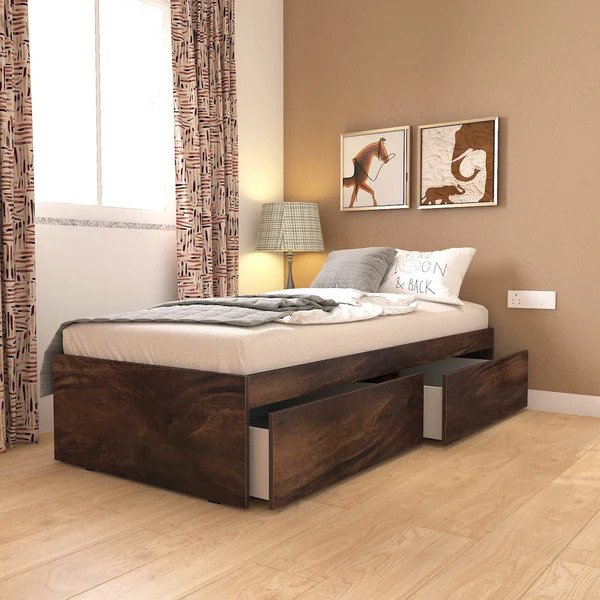


A small bedroom can feel comfortable and functional when the furniture is planned carefully. The bed usually takes up the largest portion of available floor space, so selecting the right size and arranging the surrounding furniture can make a noticeable difference. Light colours, open floor areas, smart storage, mirrors, and appropriate lighting can also create a greater sense of space without requiring structural changes.
Whether you are furnishing a compact bedroom, guest room, children’s room, or studio apartment, the goal is to keep the layout practical while avoiding unnecessary visual clutter. With thoughtful furniture placement and a few simple design choices, even a limited room can feel more open, organised, and comfortable.
Choose the Right Bed Size
The first step is to select furniture that matches the room’s dimensions. A standard double bed may leave very little walking space in a compact bedroom, while a properly sized single bed can provide comfortable sleeping space without occupying the entire floor.
Single beds are particularly useful for compact bedrooms because their narrower footprint leaves additional room for movement, storage, a study desk, or a small bedside table. Before buying, measure the room and consider the required clearance around the bed.
Position the Bed Strategically
Where you place the bed can significantly influence how spacious the room feels. In many small bedrooms, placing the bed against a wall can free up valuable floor space and create a clearer walking path.
Avoid positioning the bed in a way that blocks doors, windows, wardrobes, or other frequently used areas. If possible, keep the central portion of the room open. This can make the floor appear less crowded and improve movement.
Use a Bed With Built-In Storage
Storage is often a challenge in small bedrooms. Instead of adding multiple cabinets or boxes, consider furniture that serves more than one purpose.
A bed with drawers, compartments, or under-bed storage can provide space for bedding, clothes, books, or other belongings. This reduces the need for additional storage furniture and helps keep the visible floor area clear.
When comparing single beds, consider models with practical storage features if your bedroom has limited cupboard space.
Keep the Colour Palette Light
Colour can influence how spacious a room appears. Lighter shades on walls, bedding, curtains, and major furniture can reflect more light and create an airy appearance.
White, cream, beige, light grey, and other soft shades can work well in compact bedrooms. You do not need to make everything the same colour. Small accents through cushions, artwork, rugs, or decorative objects can add visual interest without making the room appear busy.
Use Mirrors to Create Visual Depth
A strategically positioned mirror can make a small bedroom appear more open by reflecting light and creating the impression of additional depth.
Consider placing a mirror opposite or near a window where it can reflect natural light. A full-length mirror attached to a wardrobe or placed against an appropriate wall can also serve a practical purpose without requiring another piece of furniture.
Avoid filling every wall with mirrors. One well-positioned mirror can often provide the desired visual effect without overwhelming the room.
Make Use of Vertical Space
When floor space is limited, look upward. Wall-mounted shelves, floating cabinets, hooks, and vertical storage solutions can provide useful storage without taking up much floor area.
Keeping frequently used items organised on the wall can reduce clutter around the bed. Vertical arrangements can also draw the eye upward, helping the room feel less confined.
If you use shelves, avoid overcrowding them with decorative objects. A clean arrangement generally contributes to a more open appearance.
Select Compact Bedside Furniture
A large bedside table can unnecessarily reduce walking space. Instead, choose a compact table, floating shelf, or narrow storage unit that provides only the functionality you need.
The same principle applies to chairs, desks, dressers, and other bedroom furniture. Measure each item before purchasing and consider how much floor area it will occupy after installation.
For rooms with very limited space, single beds paired with compact furniture can create a more practical layout.
Choose Furniture With a Simple Profile
Bulky furniture can make a small room feel crowded even when there is enough physical space to move around. Furniture with clean lines and a relatively simple profile can create a lighter visual appearance.
A bed with a streamlined frame may look less imposing than a heavily detailed design. Similarly, wardrobes with sliding doors can sometimes be more practical than hinged doors because they do not require additional clearance when opened.
Keep the Floor Uncluttered
An open floor is one of the simplest ways to make a small room appear larger. Avoid leaving bags, clothing, boxes, shoes, and miscellaneous items around the bed.
Use designated storage spaces to keep everyday belongings organised. Under-bed compartments can be particularly helpful for items that are not required every day.
When selecting single beds, models that combine sleeping space with storage can help maintain a cleaner floor layout.
Improve Natural and Artificial Lighting
Good lighting can prevent a small room from feeling dark or enclosed. Make the most of natural light by keeping windows relatively unobstructed.
For artificial lighting, combine general room lighting with task lighting where needed. Wall-mounted lamps or compact bedside lights can save surface and floor space.
Light-coloured curtains that allow sufficient daylight into the room can also contribute to a brighter appearance.
Use Curtains and Rugs Carefully
Large, heavy curtains can visually reduce the room’s openness. Lightweight curtains positioned appropriately can help maintain a brighter appearance.
Similarly, choose a rug that fits the room rather than one that leaves the floor looking fragmented. A simple rug placed beside or partially underneath the bed can add comfort without creating unnecessary visual divisions.
Maintain a Minimal Layout
The most effective approach to a small bedroom is often to keep only the furniture and accessories you genuinely need. Every additional object occupies either physical space or visual attention.
A carefully arranged bed, compact storage, suitable lighting, and a clear walking path can make the room feel significantly more comfortable. Single beds can be especially practical when the primary goal is to preserve usable floor space.
Before adding new furniture, ask whether it provides a necessary function. If not, leaving the space open may be more beneficial.
Final Thoughts
Making a small bedroom look bigger does not require removing all furniture or undertaking an expensive renovation. Choosing appropriately sized single beds, using storage efficiently, keeping colours light, adding mirrors, improving lighting, and maintaining clear floor space can make the room feel more open.
The key is to plan around the room’s actual dimensions. Measure before purchasing furniture, maintain comfortable walking space, and prioritise pieces that offer multiple functions. With a practical layout, even a compact bedroom can provide comfortable sleeping space while remaining organised and visually spacious.
FAQs
1. Are single beds suitable for small bedrooms?
Yes. Single beds generally occupy less floor space than larger bed sizes, making them suitable for compact bedrooms, guest rooms, children’s rooms, and other spaces where floor area is limited.
2. Where should I place a single bed in a small room?
Placing the bed against a wall can help preserve central floor space. However, the ideal position depends on the location of doors, windows, wardrobes, and other furniture.
3. How can I create storage without making my room feel crowded?
Use under-bed storage, wall-mounted shelves, floating cabinets, and vertical storage solutions. These options can provide storage while keeping more of the floor visible.
4. Do light colours make a small bedroom look bigger?
Light colours can reflect more light and create a brighter, more open visual appearance. Soft shades such as white, cream, beige, and light grey can work particularly well in compact bedrooms.
5. Can mirrors make a small bedroom appear larger?
A strategically positioned mirror can reflect light and create additional visual depth. Placing one near a window can help maximise the effect of available natural light.
6. What furniture should I avoid in a small bedroom?
Avoid oversized wardrobes, bulky bedside tables, unnecessarily large chairs, and furniture that blocks walking paths. Choose appropriately sized pieces that provide useful functions without overcrowding the room.