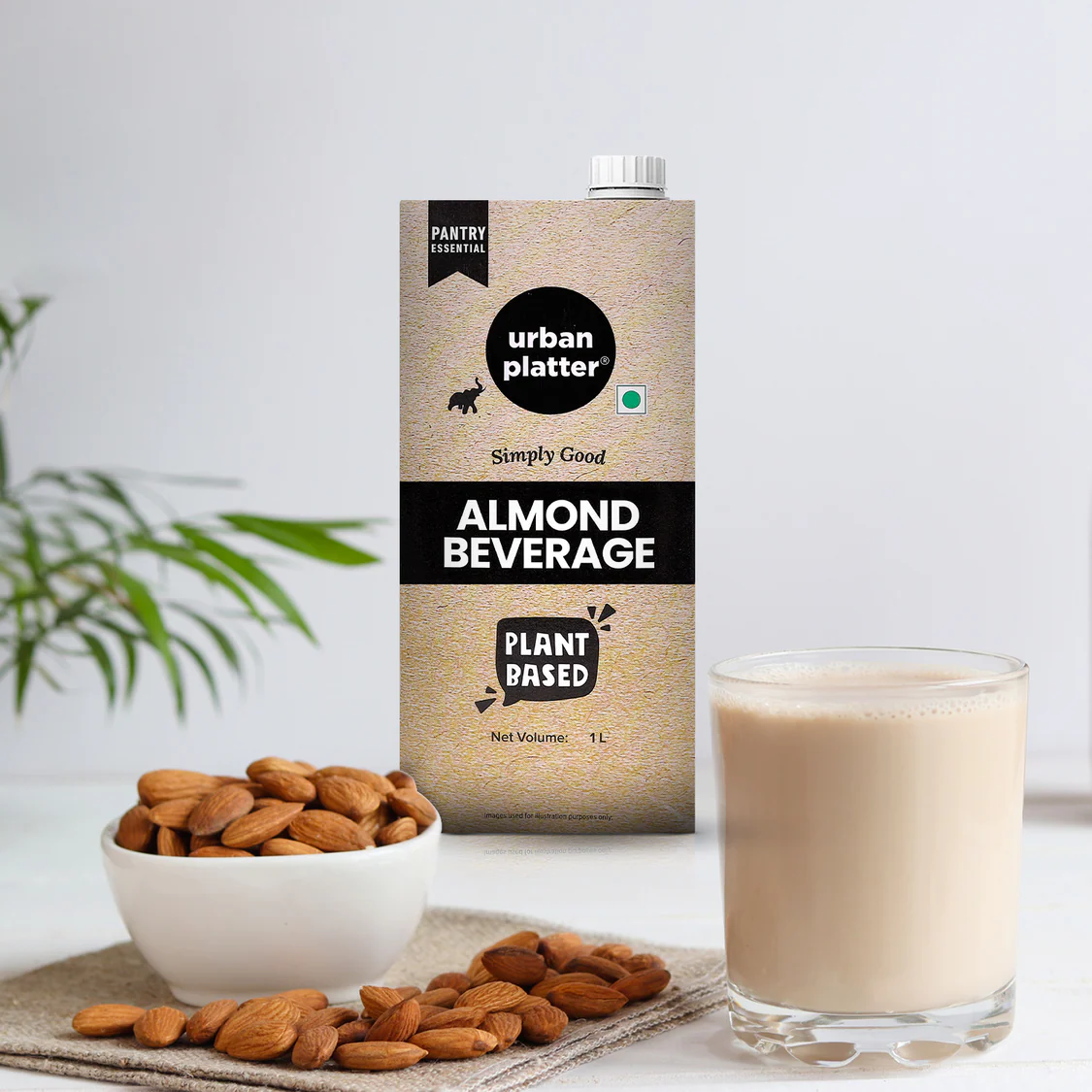


Parents often look for alternatives to cow’s milk for toddlers, especially when a child has dietary restrictions, dislikes dairy, or follows a plant-based diet. Almond milk is one option that frequently appears on grocery lists, but whether it is appropriate depends on the child’s age, nutritional needs, and the type of product selected.
For children under 12 months, breast milk or infant formula remains the recommended primary source of nutrition rather than plant-based beverages. After the first birthday, parents can discuss milk choices with a pediatrician, particularly if a plant-based drink will regularly replace dairy or fortified alternatives.
For toddlers, almond milk can be included in some diets, but it should not automatically be considered nutritionally equivalent to cow’s milk or a suitable replacement for breast milk or infant formula.
When Can Toddlers Have Almond Milk?
The nutritional needs of children change significantly during the first few years of life. Before 12 months, ordinary plant-based drinks should not replace breast milk or infant formula because they do not provide the same nutritional profile required during infancy.
After 12 months, fortified plant-based beverages may be considered as part of a balanced diet. However, parents should look beyond the name on the carton and check the nutritional information, fortification, sugar content, and ingredients.
If your toddler has specific nutritional requirements, allergies, poor growth, or a restricted diet, speak with a pediatrician or registered dietitian before making a plant-based beverage a major part of the diet.
Is Almond Milk Nutritionally Suitable?
One of the main considerations is protein. Many almond beverages contain considerably less protein than cow’s milk. Toddlers need adequate protein to support normal growth and development, so replacing nutrient-dense foods with a low-protein beverage without adjusting the rest of the diet may not be ideal.
Some fortified varieties provide nutrients such as calcium and vitamin D. Depending on the product, other nutrients may also be added.
Therefore, parents should read the nutrition label rather than assuming that every almond-based beverage provides the same nutrients.
Choose an Unsweetened Variety
If you decide to offer almond milk to a toddler, an unsweetened, fortified option is generally preferable to varieties containing added sugar.
Toddlers can become accustomed to sweet flavours, and frequently offering sugary beverages can contribute unnecessary added sugar to their diet. Water and milk or appropriate fortified alternatives can be used as regular beverages depending on the child’s overall diet and professional guidance.
Always check the ingredient list and nutrition panel before purchasing.
Check Calcium and Vitamin D
Calcium and vitamin D are important nutrients during childhood because they contribute to healthy bones and teeth. Some plant-based beverages are fortified with these nutrients, while others may not be.
When comparing products, check the label for calcium and vitamin D content. Fortification levels can differ between brands and products.
A toddler’s overall diet should also include other nutrient-rich foods that contribute calcium, vitamin D, protein, and other essential nutrients.
Consider Protein and Other Nutrients
A key limitation of many almond beverages is their relatively low protein content. Toddlers need a varied diet containing appropriate sources of protein, fats, carbohydrates, vitamins, and minerals.
If a child drinks an almond-based beverage regularly, other foods should provide adequate protein and calories. Depending on dietary restrictions, these may include beans, lentils, tofu, eggs, dairy products, nut and seed products where age-appropriate and safely prepared, or other suitable foods.
For children following a completely plant-based diet, professional dietary guidance can help parents ensure adequate intake of nutrients such as protein, iron, vitamin B12, calcium, vitamin D, iodine, and zinc.
Watch for Added Ingredients
Not all plant-based beverages have the same formulation. Some contain added sugar, flavourings, thickeners, or other ingredients.
A simple ingredient list can make it easier to understand what your child is consuming. However, additives are not automatically unsafe simply because they appear on a label. The overall nutritional composition and suitability for the child’s diet are more important considerations.
Parents should also check the packaging for allergy information and other relevant warnings.
What About Almond Allergies?
Almonds are tree nuts, and tree-nut allergies can cause serious reactions in some children. If your toddler has a known tree-nut allergy, do not offer almond-based products unless specifically advised by an appropriate healthcare professional.
When introducing a new food, parents should be aware of possible allergic reactions. Symptoms can include hives, swelling, vomiting, coughing, wheezing, or difficulty breathing. Breathing difficulty, significant swelling, or other severe symptoms require urgent medical attention.
For children with a history of food allergies or eczema, discuss introduction of allergenic foods with a pediatrician.
Almond Milk Should Not Replace a Balanced Diet
Even when almond milk is appropriate for a particular toddler, it should be viewed as one part of the overall diet rather than the main source of nutrition.
Toddlers benefit from eating a variety of foods, including vegetables, fruits, whole grains, protein-rich foods, and suitable sources of healthy fats. A diverse diet provides nutrients that may not be present in sufficient quantities in a single beverage.
Milk or a milk alternative can complement meals, but it should not displace important solid foods.
How Much Should a Toddler Drink?
There is no universal amount that applies to every toddler. Beverage requirements depend on age, appetite, activity level, dietary pattern, and the amount of nutrition the child receives from solid foods.
Too much of any milk or milk alternative can reduce appetite for other foods. Parents should therefore consider the child’s complete diet rather than focusing only on how much milk they consume.
A pediatrician can provide individual guidance when there are concerns about growth, nutrition, or feeding habits.
Can Almond Milk Be Used in Toddler Recipes?
Fortified almond-based beverages can sometimes be used in foods such as oatmeal, smoothies, cereal, or certain homemade recipes. However, parents should still consider the nutritional contribution of the overall meal.
For example, combining a low-protein beverage with protein-rich ingredients can make a meal more nutritionally balanced.
Always ensure that foods are prepared in a texture and form appropriate for the child’s age to reduce choking risks.
Final Thoughts
So, is almond milk safe for toddlers? For children over 12 months, an unsweetened and appropriately fortified almond-based beverage may fit into a balanced diet for some children. However, it is not nutritionally identical to cow’s milk and is generally much lower in protein.
The most important considerations are the child’s age, overall diet, nutritional requirements, allergies, and the product’s nutrition label. Children with restricted diets or specific health and growth concerns should receive personalised advice from a pediatrician or registered dietitian.
Almond milk can be one beverage option, but a varied and nutrient-rich diet remains the foundation of
FAQs
1. Can a 1-year-old drink almond milk?
After 12 months, an appropriately fortified, unsweetened plant-based beverage may be included in some children’s diets. However, because almond beverages are typically low in protein, parents should consider the child’s complete diet and consult a pediatrician when using it as a regular milk replacement.
2. Is almond milk better than cow’s milk for toddlers?
Neither is universally better for every child. They have different nutritional profiles. Cow’s milk generally provides more protein, while fortified almond beverages can provide calcium and vitamin D. The appropriate choice depends on the child’s dietary needs and circumstances.
3. Can toddlers drink sweetened almond milk?
Unsweetened varieties are generally preferable because they avoid unnecessary added sugar. Check the nutrition label carefully, as sugar content varies between products.
4. Does almond milk provide enough protein for toddlers?
Many almond beverages contain relatively little protein compared with cow’s milk. If a toddler regularly consumes one, adequate protein should come from other foods in the diet.
5. Can toddlers with nut allergies drink almond milk?
Children with an almond or tree-nut allergy should not consume almond-based beverages unless specifically advised by their healthcare professional. Always check product labels for allergen information.
6. Can almond milk replace dairy completely for a toddler?
It can be part of some dairy-free diets, but replacing dairy requires attention to the child’s intake of protein, calcium, vitamin D, vitamin B12, iodine, and other nutrients. Professional dietary guidance can be helpful for children following restricted diets.