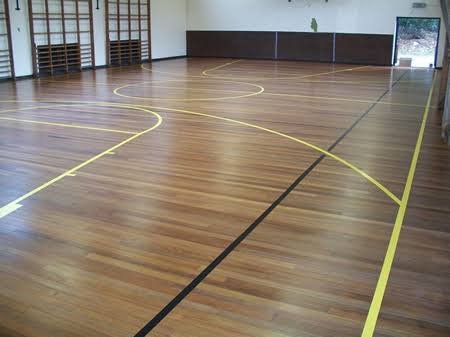


Clearly marked court lines help players understand boundaries, scoring areas, and playing zones. In schools, gyms, and community clubs, one court may support several sports and age groups. A suitable marking plan makes the space easier to use while reducing confusion during training and matches.
Sports Court Line Marking should reflect the activities played, the available surface, and the needs of the people using the facility. Choosing appropriate colours, materials, and layouts can help maintain clear markings over time.
Why Accurate Court Markings Matter
Court markings define the playing area and help players, coaches, and officials follow the rules of each sport.
In shared facilities, markings also help distinguish one sport’s layout from another. The final design should follow the relevant sport’s governing requirements where formal competition is planned.
Common Sports Court Line Marking Options
Different sports need different court layouts. A facility may use a single-sport design or a multi-use arrangement.
- Basketball court markings: Basketball layouts include boundary lines, a centre line, the centre circle, key areas, and three-point lines. Dimensions should suit the level of play and the applicable rules.
- Netball court markings: Netball courts use transverse thirds, goal circles, and boundary lines. Accurate placement is important for training and match play.
- Tennis court markings: Tennis courts include singles and doubles sidelines, baselines, service lines, and a centre service line. The surface and line finish should support clear visibility.
- Volleyball court markings: Volleyball layouts identify the playing boundary, centre line, and attack lines. The markings should remain clear without creating unnecessary visual distractions.
- Multi-sport court markings: Schools and community centres may combine several layouts on one surface. Distinct colours can help users identify each sport’s boundaries.
A multi-use layout should be planned carefully so that overlapping lines do not make the court difficult to interpret.
Choosing Colours and Marking Materials
Colour selection affects how easily players can distinguish different court layouts. When several sports share a court, each layout should have a clearly differentiated colour.
Material choice depends on whether the court is indoors or outdoors, the surface type, usage levels, and exposure to weather.
Before applying any material, check surface compatibility and manufacturer instructions.
Planning a Multi-Sport Court
A multi-sport facility needs a layout that supports each intended activity without overcrowding the surface.
Consider these planning points:
- Confirm the available court dimensions and surface condition.
- Check the relevant playing dimensions for each sport.
- Select contrasting colours for different layouts.
- Avoid unnecessary line overlap where possible.
- Allow safe clearance around playing boundaries.
- Consider accessibility and the movement of spectators and equipment.
Consulting coaches and facility managers can help identify practical issues before marking begins.
Maintaining Court Markings
Regular cleaning and inspection help preserve line visibility. Repair worn sections with compatible products and review the layout if the court’s use changes.
These steps help maintain a clear playing area and support consistent use by different groups.
Conclusion
The right court marking system helps schools, gyms, and community clubs make better use of their sports facilities. Consider sport-specific dimensions, colour contrast, surface compatibility, and the needs of different users. A well-planned layout, supported by regular maintenance, keeps court boundaries clear and makes shared spaces easier to manage.