

Understanding Fat Transfer in Dubai for Different Treatment Areas
Fat transfer in dubai is a cosmetic procedure that involves collecting fat from one part of the body and transferring it to another area to restore volume or improve contours.
The procedure generally involves three main stages:
- Fat harvesting: Fat is collected from donor areas such as the abdomen, thighs, hips, or flanks.
- Fat processing: The collected fat is cleaned and prepared for transfer.
- Fat injection: The prepared fat is carefully placed into the selected treatment area.
The amount of fat required depends on the area being treated and the individual’s cosmetic goals.
Fat transfer can be used for facial and body enhancement. However, not every person is suitable for every treatment area. A medical assessment is important before deciding on the procedure.
How Fat Grafting Helps Restore Natural Volume
Fat grafting is another term for fat transfer. It is commonly used to improve areas that have lost natural fullness.
The procedure can help create smoother contours, restore volume, and improve the appearance of selected body areas.
Some potential benefits include:
- Uses fat collected from the patient’s own body.
- Helps improve hollow or sunken areas.
- Restores fullness in selected body parts.
- Can improve facial and body contours.
- May provide long-lasting results.
- Avoids the need for synthetic implants in certain procedures.
Some transferred fat is naturally absorbed during healing. The remaining fat cells may survive permanently and provide lasting volume.
1. Cheeks: Restoring Facial Fullness With Fat Transfer
The cheeks are one of the common areas where people experience volume loss as they age. Reduced fat beneath the skin can make the face look thinner, tired, or less youthful.
Fat transfer can help restore cheek fullness by placing prepared fat into selected areas.
Potential benefits include:
- Improving hollow-looking cheeks.
- Restoring natural facial volume.
- Creating softer facial contours.
- Improving overall facial balance.
- Reducing the appearance of age-related volume loss.
The amount of fat transferred depends on the individual’s facial structure and desired outcome. The aim is to create balanced fullness rather than an excessively rounded appearance.
2. Under-Eye Area: Improving Hollow Appearance With Fat Transfer
The area beneath the eyes can develop hollowness because of ageing, genetics, and changes in facial fat distribution.
Under eye fat transfer is a cosmetic procedure that uses carefully prepared fat to improve selected hollow areas beneath the eyes.
This treatment may help:
- Restore lost under-eye volume.
- Improve a sunken appearance.
- Create a smoother transition between the lower eyelid and cheek.
- Reduce the tired appearance associated with hollowness.
The under-eye area is delicate and requires careful treatment planning. Possible complications include lumps, unevenness, prolonged swelling, and rare but serious vascular problems. Not everyone is a suitable candidate.
3. Lips: Adding Natural-Looking Fullness
Lips can lose volume because of ageing and natural changes in tissue structure. Some individuals also naturally have thinner lips and want to improve their fullness.
Fat transfer may be considered for selected patients who want additional lip volume.
Potential benefits include:
- Improving lip fullness.
- Enhancing lip shape.
- Creating softer contours.
- Restoring some age-related volume loss.
However, fat transfer to the lips can be unpredictable because some fat may be absorbed. The treatment requires careful consideration of the risks and available alternatives.
4. Temples: Restoring Volume to Hollow Areas
The temples are located on the sides of the forehead, between the eyebrows and hairline. With ageing, fat loss in this region can create a hollow appearance.
Fat transfer may help restore fullness to the temples and improve overall facial balance.
It can be considered for people experiencing:
- Hollow temples.
- Reduced facial fullness.
- Age-related volume loss.
- Less balanced facial contours.
The treatment requires detailed anatomical knowledge because important blood vessels are present in this area.
5. Hands: Rejuvenating Thin and Ageing Hands
Hands often show visible signs of ageing because the natural fat beneath the skin decreases over time.
As this happens, veins, tendons, and bones may become more noticeable.
Fat transfer can help restore volume to the back of the hands and create a fuller appearance.
Some potential benefits include:
- Improving thin-looking hands.
- Making prominent veins less noticeable.
- Softening the appearance of tendons.
- Improving hand contours.
- Creating a more youthful appearance.
Results depend on how much transferred fat survives and the individual’s skin condition.
6. Breasts: Improving Volume With Fat Transfer
Breast fat transfer is an option for selected individuals who want modest volume enhancement without breast implants.
The procedure uses fat collected from areas such as the abdomen, thighs, or flanks and transfers it into the breasts.
It may help with:
- Adding modest breast volume.
- Improving breast contours.
- Correcting selected asymmetries.
- Improving certain contour irregularities.
Fat transfer generally provides more limited enlargement than implants. Some transferred fat may be absorbed, and complications can include fat necrosis, oil cysts, and calcifications. Patients should discuss how these changes may affect future breast imaging.
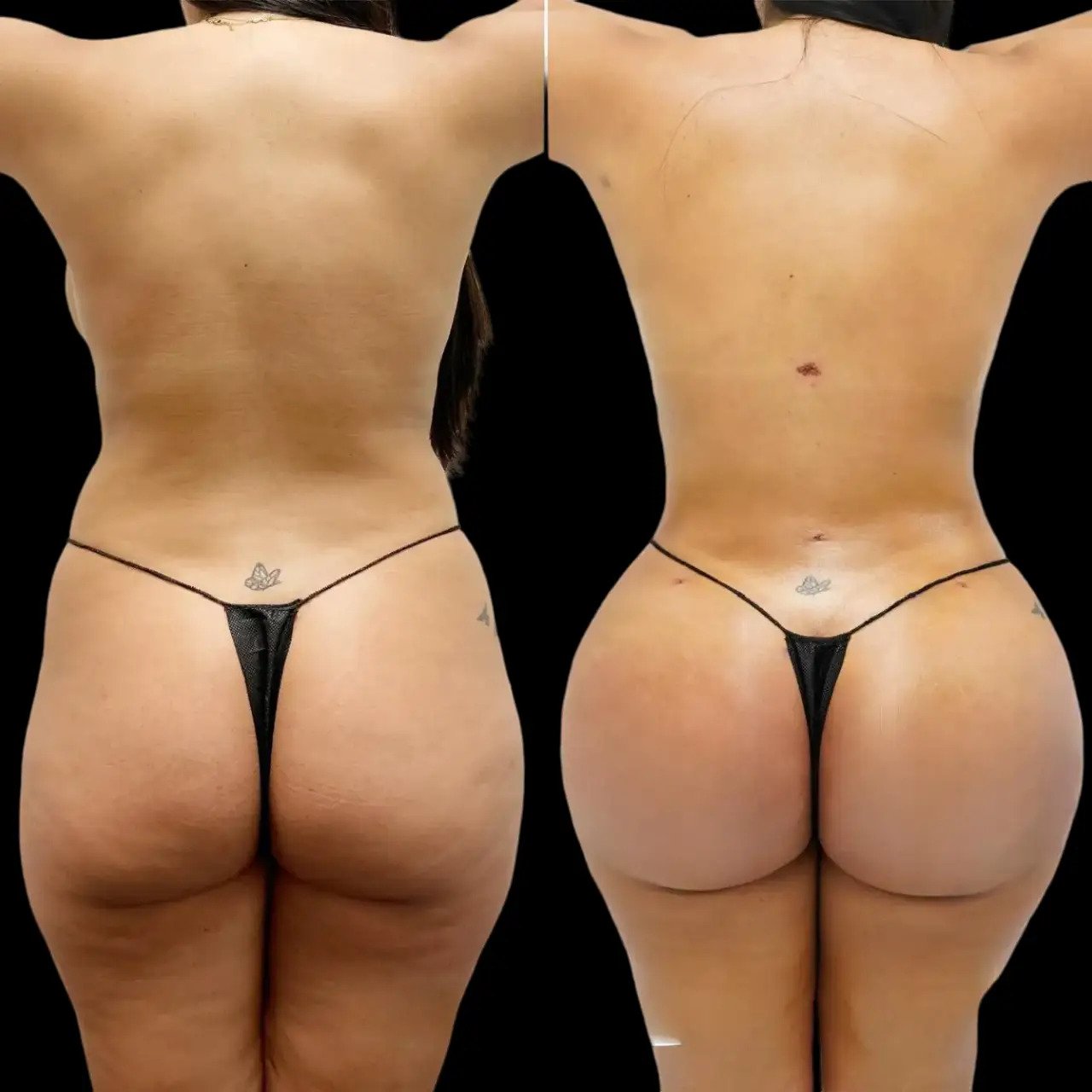
7. Buttocks: Improving Shape and Volume
The buttocks are another area where fat transfer may be used for cosmetic enhancement.
The procedure, sometimes called a Brazilian butt lift, involves collecting fat from donor areas and transferring it to improve buttock contours.
Potential goals include:
- Adding volume.
- Improving shape.
- Creating smoother contours.
- Enhancing body proportions.
However, buttock fat transfer carries a particularly important safety concern: fat embolism, which can be life-threatening. Fat should only be placed in the subcutaneous tissue above the gluteal muscle, using appropriate safety techniques and ultrasound guidance where required. Patients should carefully discuss the risks and alternatives before proceeding.
8. Hip Dips: Creating Smoother Body Contours
Hip dips are natural inward curves along the sides of the hips. Their appearance is influenced by bone structure, muscle shape, and fat distribution.
Some individuals prefer a smoother transition between the waist and thighs.
Fat transfer may help add volume to selected areas around the hips.
Possible benefits include:
- Softening the appearance of hip dips.
- Improving side-body contours.
- Creating a more balanced silhouette.
- Enhancing natural body proportions.
The results depend on available donor fat, individual anatomy, and fat survival.
9. Body Contouring: Improving Selected Areas of the Body
Fat transfer can also be used for selected body contouring procedures.
People may have areas where fat is naturally limited and other areas where excess fat is present. Fat transfer can help redistribute some of this volume.
Common treatment goals include improving selected curves, correcting contour irregularities, and restoring fullness after certain procedures.
A personalised treatment plan is important because body shape and fat distribution differ from person to person.
Who Is Suitable for Fat Transfer Treatment?
Fat transfer may be suitable for adults who want to improve volume in specific areas using their own body fat.
Potential candidates may include:
- Individuals with sufficient donor fat.
- People experiencing facial or body volume loss.
- Adults seeking natural-looking cosmetic enhancement.
- Individuals with realistic expectations.
- People in suitable general health for the procedure.
A medical assessment is necessary to evaluate health conditions, donor fat availability, treatment goals, and possible risks.
Fat Transfer Cost in Dubai: What Factors Affect the Price?
The Fat transfer cost in dubai depends on the treatment area, amount of fat required, and complexity of the procedure.
Different areas may require different amounts of fat and techniques, which can affect the overall expense.
Important factors include:
- Treatment area: Facial, breast, hand, and buttock procedures may have different costs.
- Amount of fat required: Larger areas may require more fat.
- Donor area: Fat harvesting requirements can influence expenses.
- Procedure complexity: The treatment technique may affect the total price.
- Anaesthesia: The type of anaesthesia used can contribute to the cost.
- Medical facility: Facility charges and services may vary.
- Aftercare: Follow-up appointments and recovery support may affect the overall expense.
Patients should understand the complete treatment plan before making a decision.
Understanding Fat Transfer Cost and Treatment Expenses
The overall fat transfer cost includes more than the actual fat injection.
Depending on the treatment plan, expenses may include consultation, fat harvesting, processing, anaesthesia, facility charges, and follow-up care.
Some procedures may include these services in one package, while others may calculate them separately.
It is important to request a clear breakdown of the expected expenses. Patients should also ask whether additional treatment sessions may be necessary.
Fat Transfer Prices: What Should Patients Compare Before Treatment?
When researching fat transfer prices, patients should compare the complete services included in the treatment plan.
Important questions include:
- Is the initial consultation included?
- Are fat harvesting and processing covered?
- Is anaesthesia included?
- Are follow-up appointments part of the package?
- Are additional sessions likely to be required?
- What aftercare support is available?
Choosing a procedure based only on the lowest price is not recommended. Medical qualifications, patient safety, and appropriate facilities should remain priorities.
Best Doctors in Dubai: What to Consider Before Cosmetic Treatment
People searching for Best Doctors in dubai for cosmetic treatments should carefully consider professional qualifications and experience.
Fat transfer requires knowledge of anatomy, fat harvesting, processing, and injection techniques.
Before choosing a cosmetic procedure, consider:
- Appropriate medical qualifications and licensing.
- Experience with the specific treatment area.
- Knowledge of potential complications.
- Clear explanations of expected results.
- Proper medical facilities.
- Personalised treatment planning.
- Appropriate follow-up arrangements.
Patients should verify professional credentials and understand the possible risks before proceeding.
Dr. Perfect Celebrity and Perfect Doctors Clinic: Understanding Cosmetic Search Terms
During online research, individuals may come across terms such as Dr. perfect celebrity and Perfect Doctors Clinic when exploring cosmetic procedures.
These terms may appear in searches related to aesthetic treatments. However, searching for a particular name or clinic does not establish whether a procedure is suitable for an individual.
When researching fat transfer, it is important to focus on reliable medical information, treatment safety, realistic expectations, and verified professional qualifications.
Best Fat Transfer Surgeon in Dubai: Factors That Matter When Choosing Treatment
Choosing the Best fat transfer surgeon in dubai requires careful consideration of medical qualifications, relevant experience, and patient safety.
People comparing the Best fat transfer surgeons in Dubai should consider whether the medical professional has experience with the specific area they want to treat.
Important considerations include:
- Understanding of facial and body anatomy.
- Experience with fat harvesting and processing.
- Appropriate injection techniques.
- Knowledge of treatment-specific risks.
- Honest discussion of possible outcomes.
- Clear recovery and aftercare instructions.
Different treatment areas require different techniques. Experience with facial fat transfer, for example, does not automatically establish expertise in breast or buttock fat transfer.
Recovery After Fat Transfer: What Should You Expect?
Recovery depends on the treatment area, amount of fat transferred, and individual healing.
Temporary side effects may include swelling, bruising, tenderness, and mild discomfort in the donor and treatment areas.
Some general recovery recommendations include:
- Follow all medical instructions.
- Avoid strenuous activities until cleared.
- Protect the treated area from unnecessary pressure.
- Maintain proper hygiene.
- Attend scheduled follow-up appointments.
- Contact the medical team if unusual symptoms develop.
Severe pain, sudden swelling, unusual skin colour changes, chest pain, or breathing difficulties require urgent medical attention.
How Long Do Fat Transfer Results Last?
Fat transfer can provide long-lasting results because some transferred fat cells may survive permanently.
However, the body naturally absorbs a portion of the transferred fat during the healing process. The remaining fat cells can establish a blood supply and continue to provide volume.
Final results usually become clearer over several months as swelling decreases and the transferred fat stabilises.
Maintaining a stable weight can help preserve the results, although natural ageing and weight changes may affect the treated areas over time.
Final Thoughts on Different Areas Treated With Fat Transfer
Fat transfer is a versatile cosmetic procedure that can help restore volume and improve contours in different areas of the face and body. It may be used for cheeks, temples, under-eye hollowness, lips, hands, breasts, buttocks, and selected areas around the hips.
Understanding the benefits, limitations, recovery, risks, and expenses is important before considering treatment.
Whether researching fat grafting, comparing fat transfer prices, or learning about fat transfer in dubai, patients should prioritise safety, verified medical qualifications, and realistic expectations.
A personalised medical consultation can help determine which treatment areas are appropriate and whether fat transfer is a suitable option for achieving natural-looking results.