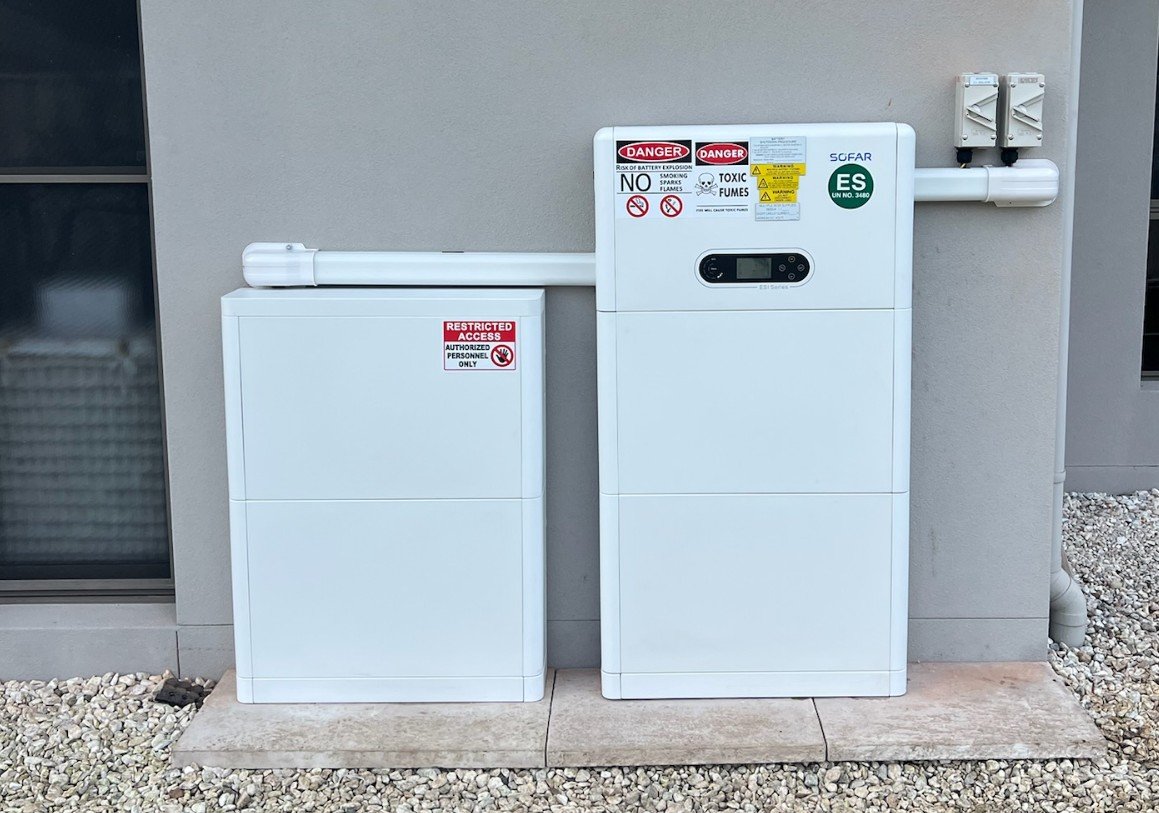


Managing household electricity costs has become an important consideration for many Australian homeowners. With changing energy prices, increasing electricity consumption and growing interest in renewable energy, households are looking for practical ways to manage their energy use. A home battery can provide greater control over when electricity is stored and used, helping households make better use of the energy they generate.
However, installing a battery is not necessarily the right decision for every property. Factors such as electricity consumption, solar generation, household routines and energy tariffs all influence whether a battery is worthwhile. Understanding a few common indicators can help determine whether adding energy storage could benefit your household.
1. You Use Most of Your Electricity in the Evening
One of the clearest signs that a home battery could make sense is having high electricity consumption after sunset. Many Australian households generate most of their solar electricity during daylight hours, when family members may be away at work, school or other activities.
Without battery storage, excess solar electricity is generally exported to the electricity grid. When everyone returns home in the evening, electricity consumption often increases as lights, televisions, cooking appliances, washing machines and air conditioning are switched on.
A battery can store surplus daytime solar energy for later use. This allows households to use more of the electricity generated by their solar panels rather than purchasing as much power from the grid during evening peak periods.
2. Your Electricity Bills Remain High Despite Having Solar Panels
Installing solar panels can reduce electricity bills, but some households still experience substantial energy costs. This often happens when solar generation and household electricity consumption occur at different times.
For example, a household might generate considerable solar electricity throughout the afternoon but use very little power during those hours. Later, when solar generation decreases, the household may need to purchase electricity from the grid.
A solar battery for home use can help address this timing difference by storing excess electricity generated during the day. Instead of relying entirely on grid electricity after sunset, households can draw on stored energy to meet some of their evening and overnight requirements.
Reviewing several electricity bills can help identify whether this pattern applies to your property.
3. You Receive Low Feed-In Tariffs for Exported Electricity
Feed-in tariffs determine how much electricity retailers pay households for surplus solar power exported to the grid. While these payments can provide some financial benefit, the rates offered may be considerably lower than the amount households pay when purchasing electricity.
This difference can make storing and using excess solar electricity more appealing than exporting it.
For example, if your household receives a relatively low feed-in tariff but pays considerably more for electricity in the evening, using stored solar energy may provide greater value than sending all surplus generation to the grid.
However, the financial benefit depends on battery installation costs, electricity tariffs, system efficiency and how much stored energy your household can actually use. Comparing these factors is important before making an investment decision.
4. You Want Greater Energy Independence
Some households prefer having greater control over where their electricity comes from and how it is used. Reducing reliance on the electricity grid can be an appealing goal, particularly for homeowners interested in renewable energy and long-term household energy planning.
A home battery can increase the amount of self-generated solar electricity available throughout the day and night. Rather than depending entirely on electricity supplied through the grid when solar panels are not producing power, households can use energy stored earlier.
This can be particularly useful for properties with consistent electricity requirements, such as households that regularly operate air conditioning, refrigeration, home office equipment and other essential appliances.
Although a battery cannot guarantee complete energy independence, it can help reduce grid consumption when the system is appropriately sized.
5. You Want Backup Power During Electricity Outages
Unexpected electricity outages can interrupt everyday household activities. Refrigerators, lighting, communication devices, home office equipment and other essential appliances may become unavailable when grid electricity is disconnected.
For households that value an additional level of electricity security, a battery with suitable backup functionality may be worth considering.
Some battery systems can provide backup electricity during a grid outage, allowing selected appliances and essential circuits to continue operating. However, not every battery installation automatically provides backup power. The system must have compatible equipment and appropriate electrical configuration.
The amount of time backup electricity remains available depends on battery capacity, the appliances being operated and household energy consumption. Understanding these limitations is important when considering battery storage for emergency situations.
Consider Your Household’s Energy Requirements
Recognising these signs is a useful starting point, but deciding whether a home battery is worthwhile requires a closer look at your property’s energy habits.
Start by reviewing your electricity bills and understanding when your household consumes the most power. Check your solar system’s generation figures, daily electricity usage and current feed-in tariff. These details can help reveal how much surplus solar electricity is available for storage and how frequently stored energy could be used.
Battery capacity is another important consideration. A system that is too small may not provide enough stored electricity for evening consumption, while an oversized battery could increase upfront costs without delivering equivalent benefits.
It is also worth considering future changes in household electricity use, including purchasing an electric vehicle, installing additional air conditioning or increasing the number of people living at the property.
Is a Home Battery the Right Choice?
A home battery can make sense for households that regularly use electricity after sunset, continue receiving high electricity bills despite having solar panels, receive low feed-in tariffs or want greater control over their energy supply. Backup power requirements can also influence the decision.
However, the best outcome depends on matching battery capacity with actual household consumption and understanding the financial implications. By examining electricity usage, solar generation, available tariffs and future energy requirements, homeowners can make a more informed decision about whether battery storage is a practical addition to their property.