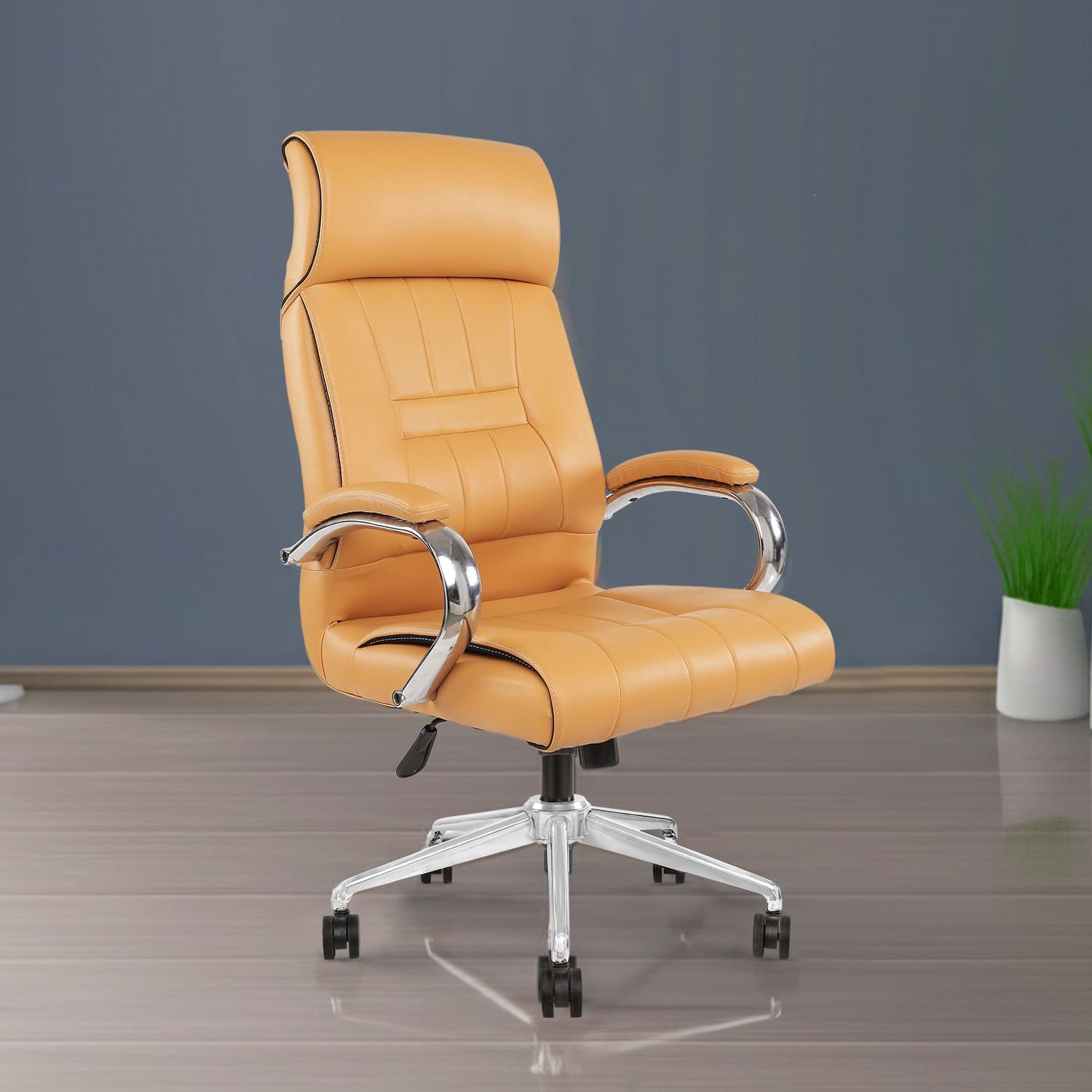


The material used in an office chair influences much more than its appearance. It can affect how the chair handles daily use, how easy it is to clean, how it feels during extended sitting, and how much maintenance it may require over time. This becomes particularly important for executive seating, which is often selected for both professional appearance and regular workplace use.
When comparing boss chairs, buyers should consider upholstery, cushioning, frame construction, base materials, armrests, and other frequently used components. Understanding how these materials perform can make it easier to select seating that suits both the workspace and expected usage.
Why Chair Material Matters for Long-Term Use
An office chair experiences repeated pressure throughout the working day. Users sit, recline, swivel, adjust the height, move around the desk, and place pressure on the armrests. Each of these actions affects different parts of the chair.
Material quality can influence how well these components respond to repeated use. At the same time, different materials have different cleaning and maintenance requirements.
This means durability should not be judged by upholstery alone. The complete construction of boss chairs should be considered when evaluating their potential for long-term workplace use.
Leatherette and Upholstered Surfaces
Leatherette is commonly used in executive-style seating because it can create a clean, professional appearance while providing a smooth seating surface. It can also be relatively straightforward to clean when maintained correctly.
Dust can usually be removed using a soft cloth, while small spills should be cleaned promptly before they remain on the surface for extended periods.
However, harsh cleaning chemicals and abrasive tools should generally be avoided unless recommended for the material. Regular gentle cleaning can help maintain the appearance of the upholstery.
When considering boss chair with leatherette or similar upholstery, buyers should examine the finishing, stitching, and how securely the covering is fitted around the seat and backrest.
Fabric and Breathable Materials
Fabric and breathable materials offer a different sitting experience. They can allow greater airflow and may feel comfortable in workplaces where chairs are occupied for extended periods.
The main maintenance consideration is that fabric can collect dust and particles within its surface. Routine vacuuming or gentle cleaning can therefore be useful.
Spills may also require quicker attention because some fabrics can absorb liquids more readily than smooth surfaces.
Durability depends on factors such as material quality, weave, tension, and how securely the fabric is attached to the chair structure.
Cushioning Affects More Than Initial Comfort
Seat cushioning is usually evaluated for comfort, but it also contributes to long-term chair performance. A seat is exposed to repeated compression whenever the chair is used.
Good cushioning should provide appropriate support without losing its shape too quickly. Extremely soft cushioning may feel comfortable initially but can become less supportive if it compresses significantly over time.
When evaluating boss chairs, buyers should consider how the seat feels as well as whether the cushioning appears suitable for the expected duration and frequency of use.
Keeping the seat clean and avoiding placing unnecessarily heavy objects on it can also help reduce avoidable wear.
Frame Construction Influences Durability
The internal and external structure of a chair plays an important role in overall durability. The frame supports the seat, backrest, armrests, and adjustment mechanisms, making it one of the most important parts of the chair.
Metal components can provide strong structural support, while quality engineered materials may also be used effectively in different sections of office seating.
Rather than judging a chair based only on whether it contains metal or another material, buyers should consider the overall construction and how securely the components are connected.
A well-constructed frame helps distribute regular sitting pressure throughout the chair.
Base Material and Everyday Movement
The chair base supports the user while allowing the seat to swivel and move around the workstation. Bases can be constructed from metal, reinforced nylon, or other durable materials depending on the chair design.
When comparing boss chairs, check whether the base feels stable and appropriate for the stated weight capacity. The connection between the base, central mechanism, and wheels should also feel secure.
Maintenance is relatively simple. Keeping the base clean and periodically inspecting it for visible damage can help identify potential issues before they affect everyday use.
Armrest Materials and Frequent Contact
Armrests experience frequent contact throughout the day. Users may rest their arms on them while working and may also place pressure on them when changing position.
Depending on the design, armrests can combine structural materials with padded or softer upper surfaces.
Regular cleaning is useful because oils, dust, and dirt from the hands and arms can gradually accumulate. Adjustable armrests should also be checked periodically to ensure that their movement remains smooth and that they stay securely in the selected position.
For boss chairs used daily, armrest stability can be just as important as their appearance.
Wheels and Moving Components Need Attention
Castors, swivel mechanisms, reclining systems, and height adjustments all contribute to how a chair performs in daily use. These components are constantly moving, which means dirt and debris can gradually affect their operation.
Hair, dust, and threads can collect around wheels and reduce smooth movement. Periodically inspecting and cleaning them can help maintain easier mobility.
Adjustment mechanisms should be operated normally rather than forced. If a mechanism becomes unusually difficult to use, it is better to investigate the problem than continue applying excessive pressure.
How the Environment Affects Chair Materials
Workplace conditions can influence how different materials age. Direct sunlight, excessive heat, moisture, dust, and frequent spills can all affect chair surfaces.
For example, placing boss chairs continuously in strong direct sunlight may affect some upholstery materials over time. Similarly, allowing moisture or spills to remain on a chair can make cleaning more difficult.
Keeping seating in a clean indoor environment and addressing spills quickly are simple habits that can help maintain its appearance.
Match the Material to the Usage
There is no single material that is automatically best for every office. The right choice depends on how frequently the chair will be used, the working environment, cleaning requirements, and personal comfort preferences.
A chair used occasionally in a meeting space has different demands from one occupied throughout the working day. Buyers should therefore think about actual usage instead of selecting a material based solely on appearance.
When comparing boss chairs, consider durability, maintenance, comfort, construction, and workplace conditions together.
Final Thoughts
Chair materials influence appearance, comfort, maintenance requirements, and long-term performance. Upholstery needs appropriate cleaning, cushioning must handle repeated compression, and structural components need to remain stable through regular movement and adjustment.
Choosing boss chairs should therefore involve examining the complete chair rather than focusing only on the visible covering. By considering upholstery, cushioning, frame construction, base materials, armrests, wheels, and maintenance requirements together, buyers can select seating that is better suited to regular workplace use and easier to care for over time.