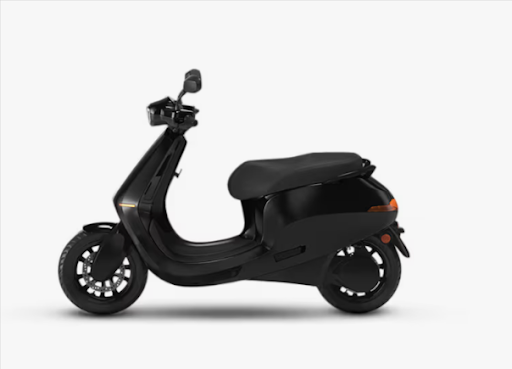


The Ola S1 name covers a family of electric scooters rather than a single specification. That distinction is essential when comparing advertising for an Ola S1 Pro, an S1 X or another S1-branded version. Battery capacity, displayed range, acceleration, screen features and purchase terms can differ substantially. Indian buyers should first identify the actual variant sold at their local delivery centre, then assess whether its charging needs, service access and everyday riding ability suit their household. An electric scooter is worthwhile only when the complete routine works reliably.
Understand the different vehicles behind the S1 name
Ola markets multiple S1 models at different levels of price and equipment. An Ola S1 Pro may target buyers who want more acceleration and electronic features, while an S1 X variant may emphasise access to electric mobility at a lower entry cost. Variants can also change across product generations. The phrase ‘Ola scooter‘ in a listing is therefore insufficient to establish a battery size or any particular connected feature. Ask for the precise product name, generation and usable information from its current product page.
A useful comparison begins with the motor’s continuous and peak output, speed capability, battery size, charging times and type of instrumentation. Look closely at which riding modes are included and whether a feature requires software enablement. A high range or fast acceleration figure can be appealing, but it should not outweigh charging convenience or consistent service support. Request a demonstration using the same variant that will be delivered, rather than a higher-spec display vehicle with similar bodywork.
How electric acceleration feels in traffic
An electric motor supplies useful torque quickly, so an Ola S1 can feel responsive when pulling away at signals. This can make repeated low-speed journeys straightforward, particularly for riders who dislike clutch operation. However, immediate acceleration also requires smooth throttle control. Begin in a less aggressive riding mode, learn the behaviour of regenerative deceleration and practise braking progressively in a safe setting before joining dense city traffic.
The user experience depends on tuning as well as peak motor power. A model with an exciting specification may still feel abrupt to an inexperienced rider. Test how confidently it moves over a parking ramp, negotiates a tight turn and slows over patched tarmac. Consider the passenger’s experience too. Abrupt throttle inputs are more noticeable when a pillion is unprepared. Choosing the right ride mode and using a gradual hand can improve comfort without needing to prioritise maximum speed.
Battery capacity versus real-world travel distance
Manufacturer range figures are usually produced under a defined test cycle. They provide a comparison starting point, not a guarantee for a route with flyovers, heavy traffic and repeated acceleration. Actual distance can change with speed, temperature, tyre pressures, riding mode and load. Buyers should estimate their longest typical daily journey, then add a reserve for diversions rather than assuming the vehicle will always match its headline range. The selected S1 variant must be checked against this calculation.
Larger battery packs can reduce charging frequency but may cost more to buy. If the scooter is usually charged overnight at home, a smaller available range might be adequate. If the owner travels between distant work sites, additional range can reduce anxiety and scheduling problems. Distinguish nominal battery capacity from distance actually travelled; one is an energy measure and the other depends on consumption. Ask the showroom what range assumptions it used, and assess whether those assumptions resemble your routine.
Charging setup, battery care and electrical safety
Before placing an order, examine where the charger will be installed or used. A dedicated, protected electrical connection is preferable to makeshift outdoor wiring. Apartment residents may require permission from a housing society or parking operator, and the costs of wiring work should be included in the purchase decision. Ask whether the charger is supplied with the scooter, how long the selected battery takes to recharge and which local service provider handles faults.
Follow the manufacturer’s recommended charging practices and avoid exposing connectors to standing water or physical damage. Battery protection systems can regulate charging, but they do not remove the need for safe sockets and undamaged cables. Buyers planning longer journeys should locate compatible public charging points and understand whether they can depend on them. A public charger that is regularly occupied or inaccessible after office hours cannot be treated as guaranteed travel infrastructure.
Displays, software and connected conveniences
Depending on the exact S1 configuration, buyers may encounter navigation tools, ride statistics, different instrument layouts and smartphone-linked functions. These conveniences can help with daily use, yet there is a difference between an included feature and one available only through a particular software version. Verify which functions work offline, how updates are delivered and what support is available when the app cannot connect. Essential speed and battery information should remain clear without relying on a mobile phone.
A touchscreen or an elaborate dashboard should not encourage interaction while moving. Set the route and preferred modes before riding. Check how legible the display is in strong sunlight and whether warning messages are understandable. Also consider the physical basics: switchgear, headlights, brake feel and standing the scooter securely. Everyday ergonomics often determine satisfaction long after the excitement of a new digital feature fades.
Ownership costs and questions about after-sales care
Electricity use is only part of the household budget. Insurance, tyres, brake maintenance, suspension repairs and occasional replacement of components all remain relevant. There may be differences in the cost of electronic parts between variants. Ask for the written battery warranty, what degradation or damage exclusions apply and which diagnostics an authorised centre performs. Check how roadside assistance and towing are handled if the vehicle becomes immobilised away from home.
Do not infer that the absence of engine oil changes means maintenance is unnecessary. Steering bearings, fasteners, wheel alignment and braking systems still require attention. Buyers considering finance should calculate total repayment and check the effect of add-on products on the financed principal. Be cautious about any quoted incentive: eligibility can change by model approval, state and purchase date. Use the current official purchase quotation rather than projecting a temporary promotion into future months.
Which Ola S1 version should you shortlist?
Start with distance, charging access and the number of people who will use the scooter. From there, identify two specific versions that can cover the longest regular journey with a reasonable reserve. Compare ride feel, legroom, storage, warranty and service arrangements, then request an itemised price. A feature-rich S1 Pro may suit a rider keen on performance and software, whereas a more economical S1 X may be sufficient for shorter routine journeys. The right Ola S1 is the one whose configuration solves your travel needs without creating avoidable expense or charging inconvenience.