

The Role of Drywall in Modern Interiors
Drywall provides a smooth surface for interior walls and ceilings in homes, offices, and other buildings. It creates a foundation for paint, wallpaper, and decorative finishes while helping define individual rooms. Proper installation is important because uneven panels, poorly finished joints, and incorrect fastening can affect the final appearance. Careful preparation helps create attractive surfaces that last.
Planning a Successful Installation Project
Before work begins, it is important to assess the room, inspect the wall framing, and determine the materials required. Drywall Installation Lake Charles LA projects may involve finishing a new room, dividing an existing space, replacing damaged panels, or completing interior renovations. A clear plan helps establish the project scope, estimate material quantities, and identify any obstacles that could affect the installation schedule.
Choosing Suitable Drywall Materials
Different drywall products serve different purposes, so selecting the right type depends on the location and intended use. Standard panels are common in many living areas, while moisture-resistant products may be appropriate for certain damp environments when permitted by local building requirements. Fire-resistant assemblies may also be required in specific locations. Material selection should account for building codes, manufacturer instructions, and the room’s conditions.
Preparing Walls Before Installation
Proper preparation helps prevent problems after the drywall is attached. Installers typically examine the framing to confirm that supports are secure, aligned, and appropriately spaced. Plumbing, electrical wiring, insulation, and other components inside the wall should be completed and inspected as required before panels cover them. Addressing framing issues at this stage can reduce uneven surfaces and make later finishing work more consistent.
Measuring and Cutting Panels Accurately
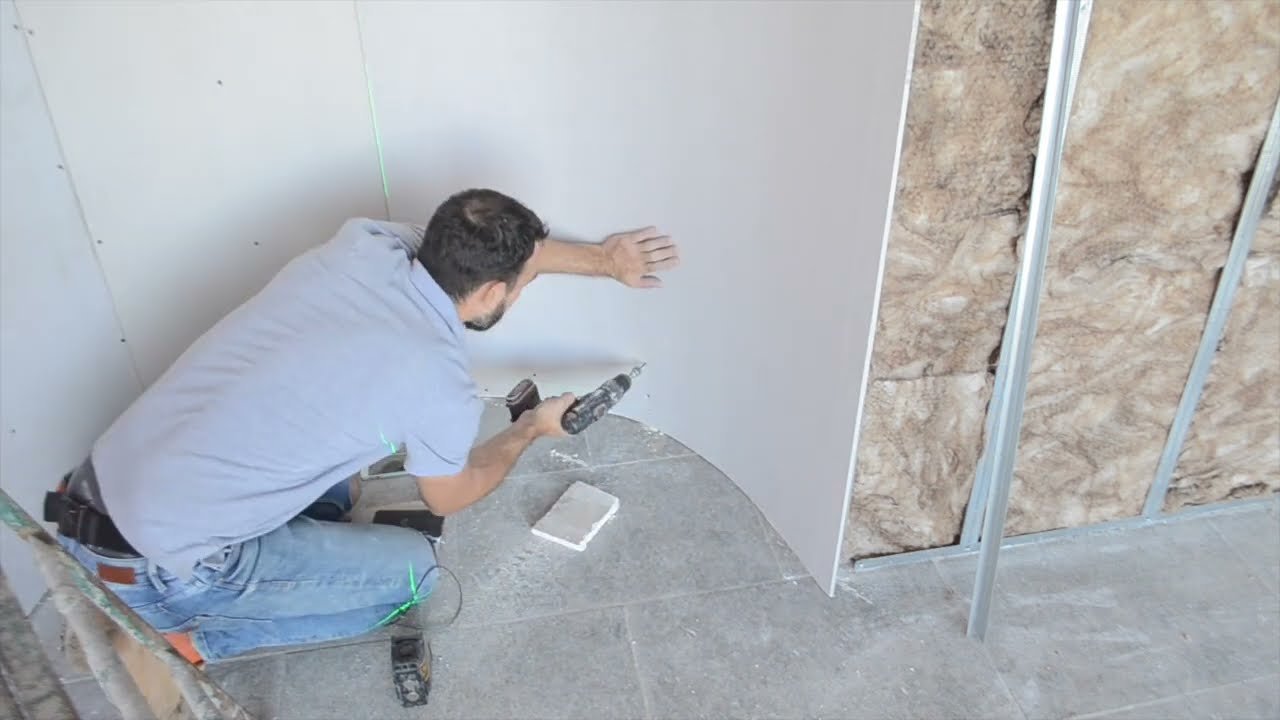
Drywall panels must fit around corners, doorways, windows, outlets, and other openings. Accurate measurements help minimize waste and reduce the number of unnecessary joints. Panels should be cut with suitable tools and handled carefully to prevent broken edges or damaged corners. Planning panel placement in advance also helps installers create a more stable surface and achieve cleaner transitions between adjoining sections.
Understanding the Value of Professional Contracting
General contracting services can help coordinate multiple stages of an interior construction project, from preparing the work area to arranging finishing tasks and managing schedules. When drywall installation is part of a larger renovation, coordination among trades is especially important. Clear communication helps ensure that framing, electrical work, insulation, drywall, and painting follow an appropriate sequence rather than creating avoidable delays.
Fastening Panels and Creating Strong Joints
Once panels are positioned, installers secure them to the framing using appropriate fasteners and spacing. Incorrect fastening can lead to loose panels, visible screw heads, or surface damage. Joints should be arranged and finished according to accepted installation practices. Careful workmanship at this stage provides a more stable base for joint compound, tape, sanding, and the final decorative finish.
Finishing Joints for a Smooth Appearance
After installation, drywall seams and fastener locations require finishing. Joint tape and compound help cover seams, while additional coats create a flatter surface. Each layer needs adequate drying time before the next application or sanding step. Rushing the process can leave ridges, depressions, or visible lines beneath paint. Proper lighting during inspection helps reveal imperfections before the surface receives its final finish.
Preventing Moisture and Surface Damage
Moisture can damage drywall, weaken its structure, and contribute to mold growth when conditions allow. Leaks, condensation, and persistent humidity should be addressed before damaged panels are replaced. In areas exposed to water, the appropriate wall system and waterproofing measures must be selected for the specific application. Using moisture-resistant drywall alone does not make a surface waterproof, so following building requirements is essential.
Coordinating Drywall With Other Renovation Work
Drywall installation usually takes place after essential work inside the walls has been completed. Contractors must coordinate inspections, insulation, wiring, and plumbing before closing the framing. Once the panels are installed and finished, painting, trim work, cabinetry, and other interior details can proceed. A well-organized sequence helps reduce rework and protects completed surfaces from damage caused by later construction activities.
Estimating Costs and Project Timelines
The cost of drywall work depends on the area being covered, ceiling height, panel type, framing condition, access, and finishing requirements. Repairs involving unusual angles or extensive damage may require additional labor. When requesting an estimate, ask whether the price includes materials, installation, joint finishing, cleanup, and surface preparation. A detailed scope helps clarify expectations and makes it easier to compare proposals.
Maintaining Finished Drywall Surfaces
Finished drywall generally requires little maintenance, but small cracks, nail pops, and dents can appear as buildings settle or surfaces experience everyday use. Address minor damage before repainting to maintain a consistent appearance. Investigate recurring cracks or signs of moisture instead of simply covering them with compound. Identifying the underlying cause helps prevent repeated repairs and supports the long-term condition of interior walls.
Achieving a Durable Interior Finish
Quality drywall work depends on suitable materials, accurate measurements, secure fastening, and patient finishing. Whether the project involves one damaged wall or an entire renovation, preparation and coordination influence the final result. Understanding each stage helps property owners ask useful questions, evaluate estimates, and make informed decisions. With appropriate installation practices, drywall can provide a clean, durable foundation for a comfortable and attractive interior.