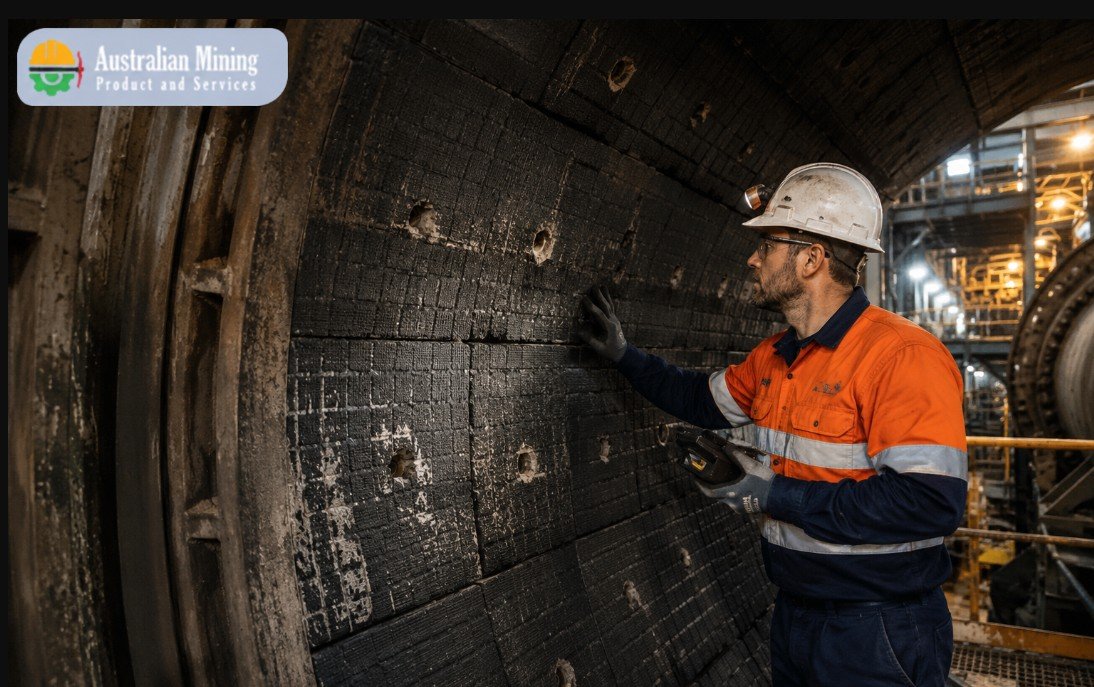


Wear linings play an important role in protecting mining equipment from abrasion, impact and material movement. They are commonly used in equipment such as chutes, hoppers, bins, transfer points and processing systems that handle abrasive materials. Over time, continuous exposure to heavy loads, friction and harsh operating conditions can cause these linings to deteriorate. If wear is not identified early, it can lead to equipment damage, unexpected breakdowns and costly production interruptions. An asset condition report helps mining companies understand the current state of their wear linings and determine when maintenance or replacement may be necessary.
Recognising the right time to assess wear linings is essential for maintaining operational reliability. Waiting until visible damage becomes severe can increase repair costs and create unnecessary safety risks. Regular condition assessments provide valuable information about wear patterns, material deterioration and potential problem areas, allowing maintenance teams to make informed decisions before minor issues develop into significant failures.
Key Situations When Mining Companies Should Consider an Asset Condition Report
When Wear Linings Show Visible Signs of Deterioration
Visible damage is one of the clearest indicators that an asset condition report may be required. Cracking, thinning, peeling, surface damage and exposed substrate materials can suggest that wear linings are approaching the end of their useful service life.
Mining companies should investigate these warning signs rather than waiting for the lining to fail completely. A detailed inspection can help determine the extent of deterioration and whether repairs, partial replacement or a complete lining upgrade is appropriate.
When Equipment Experiences Increased Material Wear
Mining operations that process abrasive materials often experience continuous wear across equipment surfaces. Changes in material characteristics, throughput volumes or operating conditions can accelerate deterioration and affect the performance of protective linings.
For example, an increase in abrasive particle size or material flow velocity may place additional stress on chute and hopper linings. A magnetic wear patch can also provide a practical indication of material loss in suitable applications, helping maintenance teams monitor changes in lining thickness without relying entirely on visual inspections.
Before Scheduled Shutdowns and Maintenance Periods
Planned shutdowns provide an ideal opportunity to assess the condition of wear linings. Rather than discovering problems after equipment has been dismantled, mining companies can arrange inspections beforehand and identify the maintenance work likely to be required.
An asset condition report can help maintenance planners prioritise repairs, organise replacement materials and allocate labour more effectively. This preparation can reduce delays during shutdown periods and help ensure equipment is ready to return to operation as scheduled.
Following Unexpected Equipment Failures
When equipment experiences an unexpected failure, the condition of its wear linings should be investigated as part of the assessment. Deteriorated or damaged linings may contribute to structural wear, material leakage, blockages and other operational problems.
A condition report can help identify whether lining failure was a contributing factor and highlight other areas showing similar deterioration. Understanding the underlying causes is important for preventing repeated failures and improving future maintenance strategies.
When Maintenance Costs Continue to Increase
Frequent repairs and repeated lining replacements can indicate that existing maintenance strategies are no longer effective. If mining companies are spending increasing amounts on repairs, it may be time to assess the overall condition and suitability of their wear protection systems.
An asset condition report can provide a clearer picture of where deterioration is occurring and whether particular materials or lining configurations are suitable for the operating environment. This information can support better decisions about maintenance frequency, material selection and long-term asset management.
When Equipment Performance Begins to Decline
Wear lining deterioration can affect more than the physical condition of mining equipment. It can also contribute to reduced material flow efficiency, blockages, uneven distribution and increased operating stress.
If processing equipment begins experiencing recurring flow problems or reduced performance, inspecting the wear protection system may help identify the cause. A condition assessment can highlight areas where material build-up, excessive abrasion or lining damage may be affecting normal operations.
When Planning Equipment Upgrades or Replacement
Asset condition reports are also valuable when mining companies are considering equipment upgrades, refurbishment or replacement. Understanding the current condition of wear linings can help determine whether existing assets can continue operating safely and efficiently with targeted maintenance.
Inspection findings may also reveal opportunities to improve lining materials, installation methods or equipment design. This can help companies select more suitable wear protection solutions based on actual operating conditions rather than assumptions.
When Monitoring Safety and Operational Risks
Damaged wear linings can expose underlying equipment surfaces to accelerated deterioration. In certain applications, this may increase the risk of material leakage, structural damage or unexpected equipment failure.
Regular assessments help identify these risks before they become more serious. They also provide maintenance teams with documented information that can support workplace safety planning, inspection schedules and maintenance priorities.
When Establishing a Preventive Maintenance Strategy
An asset condition report can form an important part of a broader preventive maintenance programme. Instead of relying solely on fixed replacement intervals, mining companies can use inspection findings to understand how quickly different areas are deteriorating.
Tracking wear patterns over time helps identify recurring problems, establish more appropriate inspection intervals and plan replacements based on actual equipment conditions. This approach can improve maintenance efficiency and reduce the likelihood of unexpected downtime.
Make Informed Decisions Through Regular Wear Lining Assessments
Knowing when to arrange an asset condition report is essential for managing wear lining performance in demanding mining environments. Visible deterioration, increasing maintenance costs, equipment performance issues and upcoming shutdowns are all important reasons to consider a detailed assessment.
Regular inspections provide a better understanding of asset condition, helping mining companies identify potential problems, prioritise maintenance activities and plan replacements more effectively. By taking a proactive approach to wear lining assessments, mining operations can improve equipment reliability, manage maintenance expenditure and support safer, more consistent production.