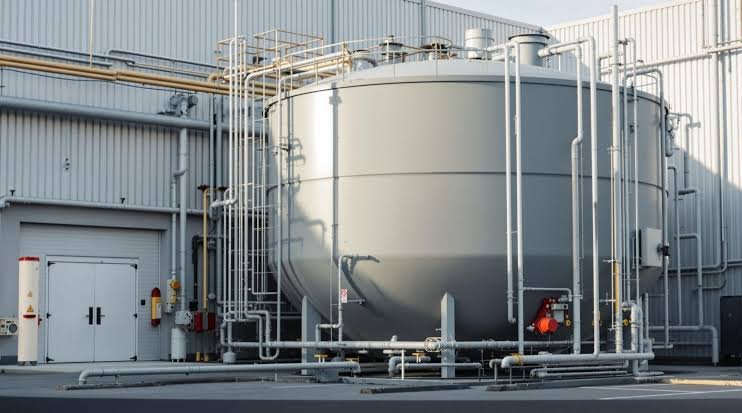


Fire water tanks provide a dedicated water supply for fire protection systems in commercial and industrial buildings. Their condition directly affects water availability during emergencies. Regular fire tank inspections help property owners identify structural damage, monitor water levels and arrange necessary maintenance. Understanding inspection procedures, cleaning requirements and compliance responsibilities also supports effective fire safety management and long-term system reliability.
What Should Property Owners Check During an Inspection?
A thorough inspection covers the tank’s structure, stored water and connected equipment. Property owners should arrange professional checks of the following components:
- Tank Walls and Roof: Examine surfaces for cracks, corrosion, leaks and structural deterioration.
- Water Levels: Confirm that the tank maintains the required water supply.
- Valves and Connections: Inspect fittings for leaks, damage and proper operation.
- Pumps and Outlets: Assess accessible components and arrange appropriate operational testing.
- Internal Conditions: Check for sediment, debris and signs of deterioration inside the tank.
These inspections help identify maintenance needs and support the continued operation of fire protection systems.
Understanding Fire Safety Compliance Requirements
Fire safety compliance involves following applicable building regulations, servicing standards and maintenance requirements. Inspection responsibilities vary by the property’s location, building classification, and installed fire protection systems. Owners should consult qualified professionals to understand the requirements relevant to their premises.
Maintenance records also play an important role in compliance management. Inspection reports, testing results and completed repair details provide evidence of servicing activities. Keeping these documents organised helps property owners monitor equipment condition and prepare for regulatory reviews.
When Does a Fire Tank Need Professional Cleaning?
Sediment, debris and corrosion products may accumulate inside fire water tanks over time. These deposits can affect internal conditions and potentially interfere with connected equipment. Professional cleaning becomes necessary when inspections identify significant build-up or contamination requiring specialist attention.
ROV tank cleaning uses remotely operated vehicles to inspect and remove suitable deposits from certain tanks. This method may allow cleaning while retaining much of the stored water. Qualified technicians assess tank accessibility, internal conditions and operational requirements before selecting an appropriate approach.
How Can Property Owners Plan Inspections and Maintenance?
A structured maintenance programme helps property owners coordinate inspections, cleaning and necessary repairs. Servicing intervals should reflect applicable regulations, equipment specifications and site conditions. Professional assessments can identify developing issues and determine which components require additional maintenance or specialist attention.
Property owners should also maintain accurate records of inspections, identified defects and completed repairs. These records support future maintenance decisions and compliance checks. When servicing affects water availability, contractors should coordinate suitable precautions to maintain appropriate fire protection arrangements.
Conclusion
Regular fire tank inspections support dependable water storage and effective fire safety management. Checking structural components, monitoring water levels and arranging professional cleaning help property owners maintain their systems. Accurate records and planned servicing also make compliance responsibilities easier to manage. By following suitable maintenance schedules and promptly addressing identified defects, property owners can keep fire water tanks prepared for emergencies.